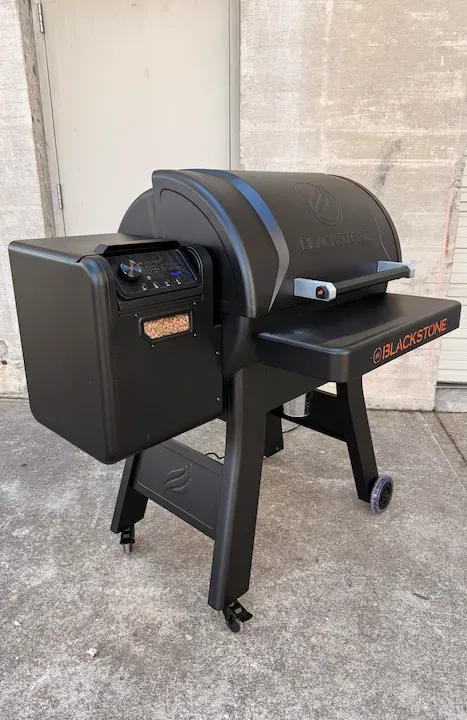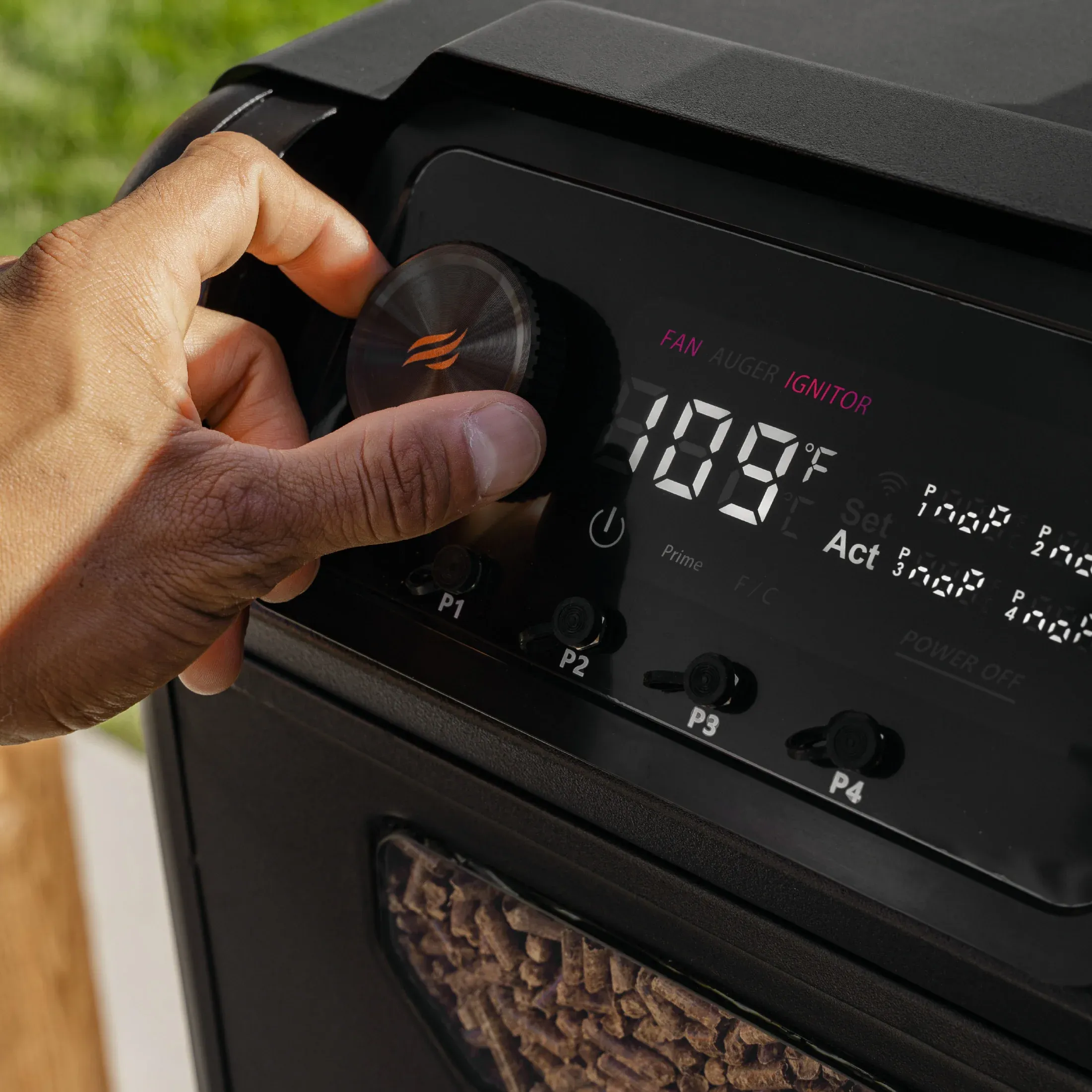
Blackstone Products launched WiFi-enabled pellet grills with a companion mobile app, but the software experience was not keeping up with the hardware. Customers were running into pairing issues, inconsistent app behavior, and limited support when something went wrong.
As Blackstone prepared for the next generation of grills, the team needed more than bug fixes. They needed a better mobile experience, a clearer path for firmware updates, and infrastructure that could support both existing and newer devices.
The Challenge
The problems were spread across mobile, firmware, and cloud systems. On the app side, pairing was unreliable, especially on Android, and the setup flow did not give users much feedback while it was working. On the device side, users had to type WiFi credentials manually, grills could not work with open networks, and there was no OTA update path once hardware was in the field.
That made support harder too. When a grill failed to connect, Blackstone's team had limited visibility into what had gone wrong. The original backend assumptions also made it harder to scale the platform cleanly as new grills were introduced.
Our Solution
We rebuilt the mobile layer as a cross-platform application so iOS and Android could move forward together instead of drifting into separate maintenance problems. That gave the team a more practical way to fix bugs, align the user experience, and keep the app stable over time.
For newer grills, we helped implement firmware changes that added OTA updates, WiFi scanning, signal strength reporting, and support for open networks. Those changes made setup easier for customers and gave Blackstone a way to improve the product after a grill shipped.
We also built a new cloud service layer that could work with legacy devices without cutting them off. By bridging communication to the original infrastructure with MQTT, Blackstone could improve monitoring, security, and support diagnostics while still supporting the installed base.